

Bodily Changes and Healthy Ageing.
Ageing is a natural process, but it is not a single experience.
Some changes are visible, such as skin becoming drier or hair turning grey, while others happen quietly inside the body, affecting muscles, bones, hormones, metabolism, digestion, sleep, and memory.
Healthy ageing is not about trying to stop time. It is about supporting the body so that it continues to function well, stay resilient, and preserve quality of life for as long as possible.
Understanding bodily changes and healthy ageing helps people make better choices at every stage of adult life.
The earlier you understand what is happening in the body, the easier it is to respond with practical habits that protect strength, mobility, energy, and independence.
This article explains the who, how, why, what, and when of bodily changes in ageing, then finishes with five frequently asked questions and a conclusion.
Who Ages in This Way?
Everyone ages, but not everyone ages at the same pace or in the same way.
Genetics, sex, lifestyle, medical history, environment, stress levels, and access to healthcare all shape how the body changes over time.
Two people of the same age may look and feel very different depending on how active they are, how well they eat, how they sleep, and whether they smoke, drink heavily, or manage long-term conditions.
Ageing affects all adults, but certain groups may experience changes earlier or more intensely.
People with physically demanding jobs may notice joint pain or fatigue sooner.
Those with chronic illness may face accelerated wear on organs or blood vessels.
Women and men can also experience different hormonal changes, especially around midlife.
Even so, healthy ageing is possible for most people when they take steps to preserve function and reduce avoidable risk.
How the Body Changes?
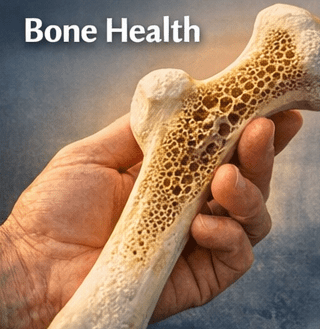
The body changes gradually, not all at once.
One of the most common shifts is a decline in muscle mass and strength, often called sarcopenia. This can make everyday tasks feel harder, reduce balance, and increase the risk of falls.
Bones may also lose density over time, which can raise the chance of fractures and osteoporosis, especially if calcium, vitamin D, and weight-bearing exercise are lacking.
The cardiovascular system also changes.
Blood vessels may become less flexible, and the heart may not pump as efficiently under stress as it once did.
This does not mean the heart is failing, but it does mean the body may recover more slowly after effort.
Metabolism tends to slow, making weight gain easier if food intake stays the same while activity decreases.
Changes in digestion, hormone levels, sleep quality, vision, hearing, and immune response are also common.
The brain changes, too.
Some slowing of reaction time and memory retrieval can be part of normal ageing, though severe forgetfulness is not.
Healthy ageing aims to preserve brain function by supporting blood flow, mental stimulation, good sleep, and social connection.
Skin becomes thinner and less elastic, the immune system may respond more slowly, and healing can take longer. These changes are normal, but they should still be monitored carefully.
Why These Changes Matter?
These bodily changes matter because they influence independence, confidence, and long-term health.
A person who loses strength may find climbing stairs, carrying groceries, or getting up from the floor more difficult.
Reduced balance can increase fall risk, which is one of the leading causes of injury in older adults. Stiff joints or low energy can limit activity, and inactivity then speeds up further decline.
The impact is not only physical.
Changes in sleep, hormones, or memory can affect mood, motivation, and social life. When people feel less capable, they may withdraw from routines they once enjoyed.
That can create a cycle of lower movement, poorer nutrition, weaker muscles, and more fatigue. Healthy ageing breaks that cycle by making daily habits work in the body’s favour instead of against it.
There is also a wider reason to care: prevention.
Many age-related problems build gradually and can be delayed or reduced through simple habits. Regular movement, good nutrition, enough sleep, smoking avoidance, and routine medical checks can protect the body for years.
In that sense, healthy ageing is less about luck and more about consistent choices.
What Healthy Ageing Means?
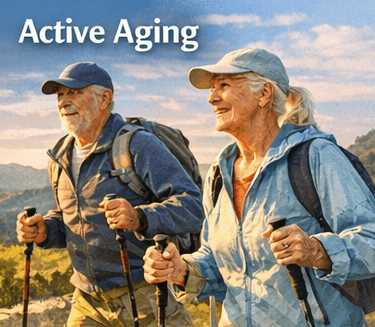
Healthy ageing means maintaining physical, mental, and social well-being as you get older.
It does not mean having no wrinkles, no aches, or perfect energy every day.
It means staying as capable and independent as possible, while adapting to normal changes with practical habits and timely care.
At the core, healthy ageing includes four things: movement, nutrition, recovery, and connection.
Movement supports muscles, bones, joints, and the heart.
Nutrition provides the building blocks for repair and energy.
Recovery through sleep and rest helps the brain and body reset.
Connection with other people supports emotional resilience and can even encourage healthier routines. Together, these factors help ageing feel manageable rather than limiting.
Healthy ageing also means noticing warning signs early.
Persistent pain, unexplained weight loss, frequent falls, breathlessness, worsening memory, or sudden changes in mood should not be ignored.
These are not simply signs of “getting older” in a harmless sense. They may indicate treatable issues that deserve attention.
When Changes Begin?
Age-related changes can begin earlier than many people expect.
Some start in the 30s, such as a gradual loss of muscle or a slight slowing of metabolism. Hormonal changes often become more noticeable in midlife, while bone density loss may become more significant later.
Many people first notice the effects in their 40s or 50s when recovery from exercise takes longer, sleep becomes lighter, or body composition shifts.
The timing depends on lifestyle and health status.
Someone who stays active and eats well may preserve strength and function longer than someone who is sedentary.
Similarly, unmanaged diabetes, high blood pressure, smoking, or heavy alcohol use can push bodily decline earlier.
Because of this, healthy ageing is best approached across the whole adult lifespan, not only in later years.
There is no single age when healthy ageing “starts.”
The best time to begin is now.
Habits adopted in midlife can make a major difference in later decades, but changes made in older age still help.
It is never too late to improve strength, balance, nutrition, and wellbeing.
Movement and Strength.
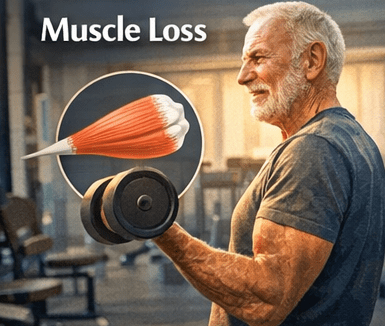
Exercise is one of the most powerful tools for healthy ageing.
It helps maintain muscle, protect joints, support heart health, and improve mood.
The most effective routine usually includes three parts: aerobic activity, strength training, and balance or mobility work.
Walking, cycling, swimming, and dancing support cardiovascular health, while resistance exercises help preserve muscle and bone.
Strength matters more with age than many people realise.
Strong muscles make daily life easier and help protect against falls.
Even basic exercises like squats, chair rises, wall push-ups, and resistance band work can make a difference.
Balance exercises, such as standing on one leg or practising heel-to-toe walking, can improve stability and confidence.
Consistency matters more than intensity for most adults.
A modest routine done regularly is better than an ambitious plan that cannot be maintained.
The goal is to keep the body active enough to remain capable in ordinary life. That includes walking with ease, lifting household items, and moving without fear.
Nutrition and Repair.
Food becomes even more important as the body ages.
Protein helps maintain muscle and supports recovery.
Fibre supports digestion, blood sugar control, and heart health.
Healthy fats, vitamins, minerals, and fluids all play a role in keeping tissues functioning well.
A balanced diet gives the body the raw material it needs to adapt to ageing.
Older adults often need more attention to nutrient quality, not necessarily more calories.
Appetite may decrease, but the need for protein, calcium, vitamin D, and other essential nutrients remains.
Regular meals with vegetables, fruit, whole grains, lean proteins, nuts, and legumes can support energy and repair.
Hydration is equally important because thirst can become less reliable with age.
It is also wise to limit foods and habits that accelerate decline.
Excess salt, ultra-processed snacks, heavy alcohol intake, and very low-fibre diets can strain the body over time.
Good nutrition does not need to be perfect. It needs to be sustainable and supportive.
Sleep and Recovery.
Sleep often changes with age, but it remains essential.
People may wake more frequently at night, feel sleepy earlier in the evening, or find that sleep is lighter than before.
Some of this is normal, but chronic poor sleep can affect memory, mood, blood pressure, and appetite. It can also increase fatigue and reduce motivation to stay active.
Recovery is broader than sleep alone.
Rest days, manageable stress, and realistic schedules all help the body recover. When people push too hard without recovery, aches and exhaustion can build.
That is why healthy ageing includes pacing, not just effort. A body that is well recovered responds better to exercise, thinking, and daily demands.
Simple habits can improve sleep quality.
Keeping a regular bedtime, reducing late caffeine, getting daylight exposure in the morning, and limiting screen use before bed can help.
If sleep problems are severe or ongoing, they should be discussed with a healthcare professional because conditions like sleep apnoea or anxiety may be involved.
Mind and Social Life.

Brain health is closely linked to physical health. Blood pressure, blood sugar, movement, sleep, and social connection all affect how the brain performs.
Mental stimulation helps as well. Reading, puzzles, learning new skills, conversation, and creative activities can keep the brain active and engaged.
Social life matters more than many people expect. Regular contact with friends, family, neighbours, or community groups can reduce loneliness and support emotional wellbeing.
Loneliness and isolation are associated with poorer health outcomes, while social support can encourage healthier behaviour and provide practical help when needed. A person who feels connected is often more resilient.
Mood changes should not be dismissed as a normal part of ageing.
Persistent sadness, anxiety, apathy, or confusion may be caused by treatable physical or mental health issues. Healthy ageing includes caring for emotional health, not only body mechanics.
Check-ups and Prevention.
Routine health checks are a practical part of ageing well. Blood pressure, cholesterol, blood sugar, bone health, vision, hearing, and cancer screenings can help detect problems early.
Early treatment often prevents complications and preserves quality of life. Preventive care is especially valuable because many age-related conditions develop quietly.
Vaccinations also matter.
As the immune system becomes less efficient with age, protection against flu, pneumonia, shingles, and other infections becomes more important.
Preventive care can reduce the risk of illness that might otherwise lead to long recovery periods or hospital stays.
Medication reviews are another useful step. As people age, the body processes medicines differently, and interactions can become more likely.
Regular review helps make sure treatments are still appropriate. This is especially important for people taking multiple prescriptions or over-the-counter remedies.
Warning Signs to Notice.
Some changes are expected, but others should prompt medical attention.
Unexplained weight loss, repeated falls, chest pain, sudden weakness, trouble speaking, severe shortness of breath, or major memory changes need urgent evaluation.
Ongoing fatigue, pain, swelling, digestive changes, or disturbed sleep also deserve attention if they persist.
A useful rule is this: if a change interferes with normal life, it should be checked.
Healthy ageing is not about tolerating everything silently. It is about noticing patterns, acting early, and getting support when needed. Many problems are easier to manage when they are caught early.
Practical Daily Habits.
Healthy ageing is built through ordinary habits repeated over time.
Walking most days, eating balanced meals, drinking enough water, sleeping regularly, and staying socially active are simple but powerful. Small routines often outperform dramatic changes because they can be maintained.
A practical approach might include strength exercises twice a week, daily walking, protein at each meal, regular sleep times, and routine health checks.
It can also include avoiding smoking, moderating alcohol, managing stress, and keeping the home safe to prevent falls. These actions protect function across many body systems at once.
The most important point is that ageing is not only about decline. The body changes, but it also adapts. With the right support, many people remain active, capable, and fulfilled well into later life.
Conclusion.
Bodily changes are a normal part of ageing, but they do not have to define decline.
Muscles, bones, hormones, metabolism, sleep, and memory all shift over time, yet many of these changes can be slowed or managed through healthy habits.
The who, how, why, what, and when of ageing all point to the same lesson: the earlier and more consistently you care for your body, the better it can serve you later in life.
Healthy ageing is about preserving strength, independence, and wellbeing for as long as possible.